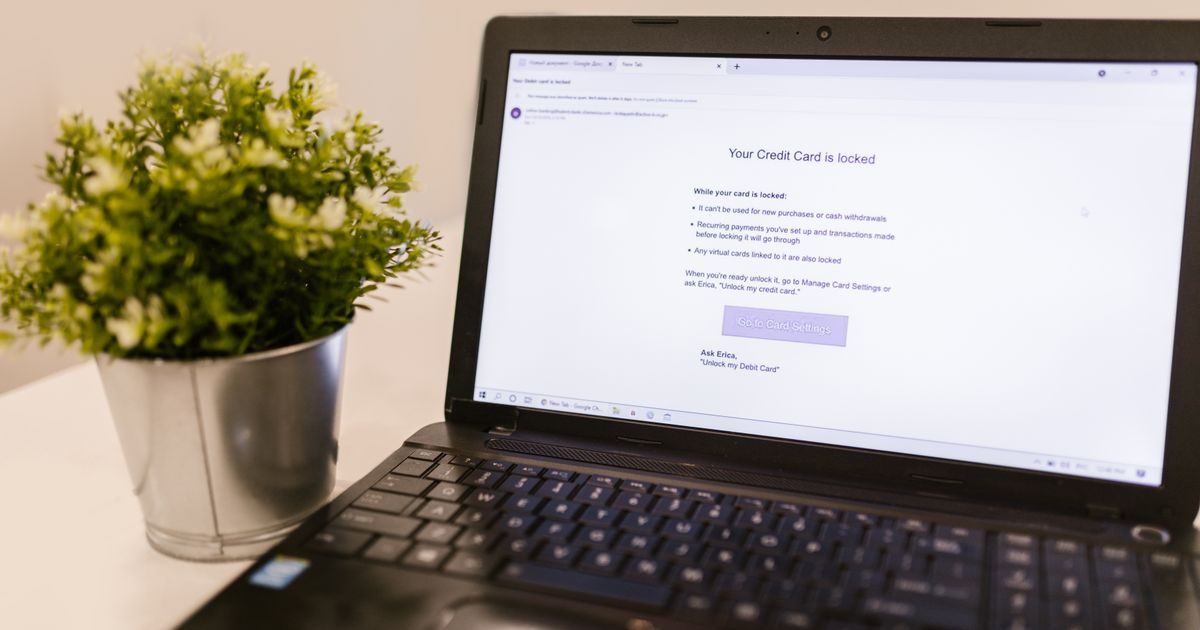
The main difference between transactional and marketing email is the trigger: transactional email is sent automatically in response to a specific user action (a purchase, sign-up, or password reset), while marketing email is sent to a list of recipients with the goal of promoting products, driving sales, or building customer loyalty.
Confusing the two types—or worse, sending them from the same infrastructure—is one of the most common mistakes that hurts business email deliverability. This guide covers the differences, their use cases, and how to set each one up correctly.
What Is Transactional Email?
Transactional email is a 1-to-1 message that is generated automatically as a result of a specific user interaction with an application or website. A marketing team doesn't initiate it—user behavior triggers it.
Typical examples:
- Order or booking confirmation
- Invoice or payment receipt
- Welcome email after sign-up
- Password reset
- Security alert (login from a new device)
- Shipping notification or delivery status update
- Appointment reminder
These communications are expected and requested by the recipient: the user anticipates them because they just did something. That's why their open rates are consistently high—40 to 70 % depending on the industry—far above any marketing campaign.
What Is Marketing Email?
Marketing email (or email marketing) is a message sent to a list of contacts for commercial or mass-communication purposes. The sender decides when it goes out and to whom; no individual user action triggers it.
Typical examples:
- Weekly or monthly newsletter
- Promotional campaign or discount offer
- New product or service announcement
- Re-engagement email for inactive customers
- Nurturing sequence (educational drip campaigns)
- Event or webinar invitation
Marketing email requires the explicit consent (opt-in) of the recipient and a clear unsubscribe mechanism. Sending it without permission doesn't just damage your domain's reputation—it may also violate anti-spam and data protection laws in your jurisdiction.
Technical Differences: Why You Shouldn't Mix Them
Although both types travel over email, they have different technical and infrastructure requirements. Mixing them on the same server or IP address is a mistake that can cause your purchase confirmation emails to end up in the spam folder.
| Feature | Transactional Email | Marketing Email |
|---|---|---|
| Trigger | User action | Sender's decision |
| Recipients | 1 person (personalized) | A list (bulk) |
| Frequency | Immediate and variable | Scheduled and periodic |
| Typical open rate | 40–70 % | 15–25 % |
| Consent required | No (part of the service) | Yes (opt-in) |
| Unsubscribe link required | Not always | Yes, always |
| Recommended infrastructure | Dedicated IP / SMTP API | ESP platform (Mailchimp, Brevo…) |
The concrete risk: if you send a marketing campaign from the same IP as your order confirmations and that campaign generates spam complaints, the entire IP gets penalized—including your transactional emails, which are critical to your business operations.
Recommended Infrastructure for Each Type
For Transactional Email
The most common approach is to use a transactional SMTP sending service via API, separate from your main email domain. Popular options include:
- SendGrid — up to 100 emails/day free; scalable paid plans.
- Amazon SES — very cost-effective at high volume ($0.10 per thousand emails).
- Postmark — exclusively focused on transactional email; excellent sender reputation.
- Brevo (formerly Sendinblue) — handles both types on separate IPs.
These services integrate via API or SMTP configuration from your PHP, Node.js, or any other application. If your business uses WooCommerce, Shopify, or any e-commerce platform, you probably already have one configured without knowing it.
For Marketing Email
This is where ESP (Email Service Provider) platforms come in—designed to manage lists, segmentation, automation, and campaign analytics:
- Mailchimp — the most well-known; free plan up to 500 contacts.
- Brevo — generous free tier (300 emails/day) and competitive pricing.
- Klaviyo — preferred by e-commerce stores; advanced automations.
- ActiveCampaign — integrated CRM with robust marketing automations.
These platforms automatically manage unsubscribes, bounces, and spam law compliance, which protects you legally.
Best Practices for Both Types
Regardless of email type, certain configurations improve deliverability and recipient trust:
- Set up SPF, DKIM, and DMARC in your domain's DNS records. Without them, your emails are far more likely to land in spam.
- Use a separate subdomain for marketing (e.g.,
news.yourbusiness.com) to protect your main domain's reputation. - Monitor bounce and spam complaint rates. A 0.08 % spam complaint rate on Gmail already triggers penalties.
- Personalize the sender name: a recognizable and consistent name increases open rates.
If you need to set up email authentication or separate your sending flows, the specialists at elenlace.com can handle it for you without you having to touch a single DNS record.
You can also explore more business email topics in our business email section to dive deeper into other key areas.
Key Takeaways
- Transactional email responds to a user action; it's expected and has very high open rates.
- Marketing email is initiated by the sender; it requires opt-in and an unsubscribe link.
- Mixing both types on the same IP puts the deliverability of your critical business messages at risk.
- Use a transactional SMTP provider (SendGrid, Postmark, SES) for automatic notifications and an ESP (Mailchimp, Brevo) for campaigns.
- SPF, DKIM, and DMARC are mandatory for both types if you want to avoid the spam folder.
Want to make sure your emails always reach the inbox? Talk to the team at elenlace.com and we'll help you set up the right infrastructure for your business.
FAQ
Can I send transactional emails from Mailchimp?
Yes, Mailchimp has a transactional email service called Mandrill, but it's an additional paid add-on. For many SMBs, it's more convenient to use SendGrid or Amazon SES directly for transactional messages, and Mailchimp only for marketing campaigns.
Is a welcome email transactional or marketing?
It depends on the context. If it's sent immediately after a user signs up, it's transactional (triggered by an action). If it's sent days later as the start of a planned nurturing sequence, it's considered marketing. The difference lies in whether it was triggered by the action or by an editorial decision.
What happens if my marketing emails get too many spam complaints?
Email providers like Gmail and Outlook will start routing your messages to the spam folder—and if the issue persists, they may block your sending domain or IP entirely. Google's Sender Guidelines (updated in 2024) set a maximum spam complaint threshold of 0.10 % for bulk senders. Staying below 0.08 % is the safe target.
How much does a transactional email service cost?
Most offer free tiers sufficient for small businesses: SendGrid gives you 100 emails/day free, Brevo allows 300/day at no cost, and Amazon SES charges around $0.10 per thousand messages. For businesses with higher volume, monthly costs are typically a few tens of dollars.
Useful resources
Other providers and guides worth comparing: