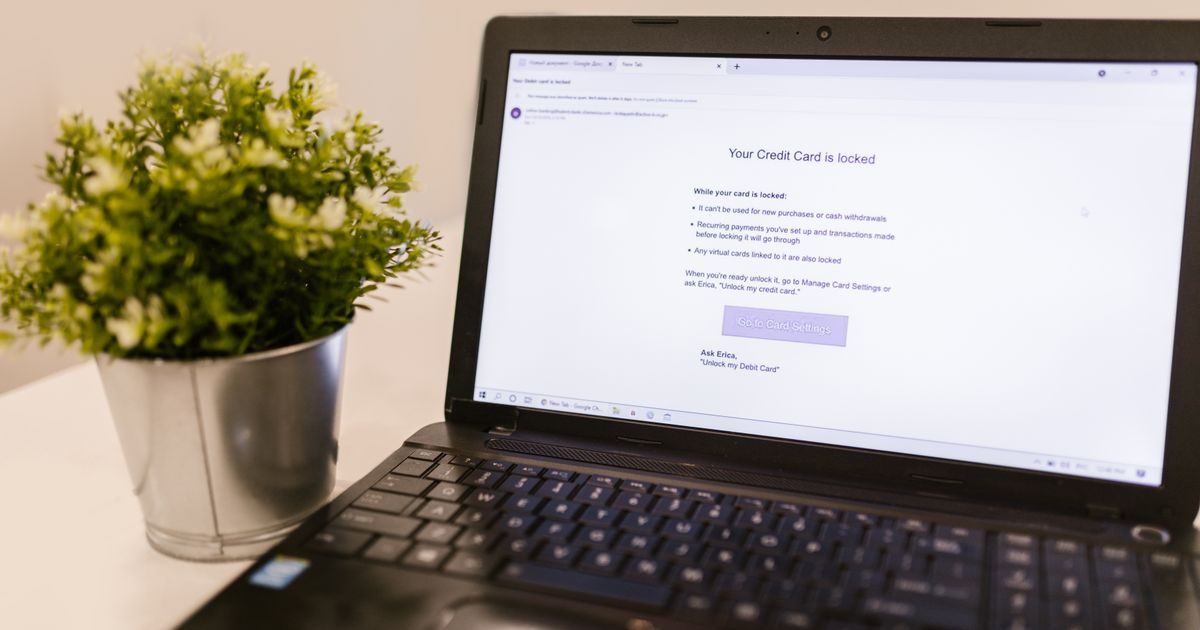
Transactional email is an automated message sent to an individual recipient in direct response to an action they took — completing a purchase, creating an account, requesting a password reset, or receiving an invoice. Unlike bulk marketing email, transactional email is triggered one-to-one and achieves far higher open rates because the recipient is actively expecting it.
What exactly is transactional email?
The word "transactional" captures the core idea: there is a transaction — an action/reaction exchange — between a system and a user. The user does something; the system responds with an email.
Defining characteristics:
- Individual: sent to one specific person, not a list.
- Event-triggered: sent automatically when something specific happens.
- Expected: the recipient anticipated it because they initiated the action.
- Functional: its purpose is to inform or confirm, not to sell (though secondary content is allowed).
This distinction matters both legally and technically. In most jurisdictions, transactional emails are exempt from opt-in requirements that govern marketing campaigns, because the user's action already implies consent.
Real-world transactional email examples
You encounter them every day without giving them much thought:
| Type | Concrete example | Trigger |
|---|---|---|
| Order confirmation | "Your order #45821 was received" | Successful payment on an ecommerce site |
| Welcome email | "Welcome to MyApp!" | New account registration |
| Password reset | "You requested a password change" | Click on "Forgot my password" |
| Account verification | "Confirm your email address" | New account creation |
| Invoice / receipt | "Your June invoice" | Charge processed |
| Security alert | "New sign-in detected" | Login from an unrecognized device |
| Shipping notification | "Your package has left the warehouse" | Logistics status update |
They all share one trait: the user needs them and looks for them. That makes them fundamentally different from a newsletter or a promotional campaign.
How transactional email works technically
The full flow, from the moment a user clicks to the moment the email lands in their inbox, involves several steps:
1. The event triggers the request
Your application detects the action (purchase completed, form submitted, etc.) and calls an email-sending service. This is typically done via an API call to an external provider (SendGrid, Amazon SES, Mailgun, Postmark…) or through your own SMTP server.
2. The application builds the message
Your code generates the personalized content: the user's name, order number, specific details. Usually an HTML template with runtime-substituted variables is used.
3. The SMTP provider queues and delivers it
The message travels via SMTP (Simple Mail Transfer Protocol). The sender's mail server contacts the MX records of the recipient's domain and delivers the message. If a bounce or failure occurs, the provider retries according to its retry policy.
4. DNS authentication records
For the email to reach the primary inbox (not spam), the sending domain must have these DNS records configured:
- SPF — lists the servers authorized to send on behalf of the domain.
- DKIM — a cryptographic signature verifying the message wasn't altered in transit.
- DMARC — a policy specifying what to do when SPF/DKIM checks fail.
Without all three, your transactional emails will land in the spam folder or get rejected outright.
5. Tracking and metrics
Specialized providers record whether the message was delivered, opened, whether links were clicked, and whether a hard or soft bounce occurred. This feedback is essential for spotting deliverability problems quickly.
Transactional email vs. marketing email
Confusion between the two types is common. The table below clarifies the key differences:
| Characteristic | Transactional | Marketing |
|---|---|---|
| Trigger | Individual user action | Marketing team decision |
| Recipients | One at a time | Segmented lists |
| Typical open rate | 40–70% | 15–25% |
| Primary content | Functional / informational | Promotional / persuasive |
| Opt-in required | Implicit (through the action) | Explicit (subscription list) |
| Urgency | High — must arrive instantly | Medium — minor delays acceptable |
You can explore these differences further in our business email category.
Why your infrastructure choice matters
Sending transactional emails from the same SMTP server you use for newsletters is a common mistake. If your marketing campaigns generate spam complaints, the server's sending reputation drops — and your transactional emails (the ones users actually need) start failing too.
That's why businesses that take deliverability seriously separate the two flows:
- A specialized service (or a dedicated IP) for transactional email.
- An email marketing platform (Mailchimp, Brevo, etc.) for campaigns.
If your company is evaluating email infrastructure options, the team at elenlace.com can advise you on the right SPF, DKIM, and DMARC setup and help you choose the service that fits your sending volume.
Key takeaways
- Transactional email is a 1:1 message triggered by a specific user action.
- Common examples include order confirmations, password resets, invoices, and security alerts.
- Technically it relies on SMTP plus DNS records (SPF, DKIM, DMARC) to reach the inbox.
- Open rates are far higher than marketing email because the recipient expects the message.
- Separating transactional and marketing infrastructure protects the sending reputation of both.
Need to implement or audit transactional email for your business? The experts at elenlace.com can help you set everything up correctly from the start.
FAQ
Does transactional email require the user to have subscribed to a list?
No, not in the traditional sense. Consent is implicit: by registering, purchasing, or using a service, the user agrees to receive the functional messages related to that action. This is what distinguishes transactional email from marketing email, which does require explicit opt-in.
Can I send transactional email from cPanel or shared hosting?
Technically yes, but only for very low volumes. For applications sending tens or hundreds of messages per day, a dedicated external SMTP service (Amazon SES, Postmark, SendGrid) delivers better results, with proper deliverability monitoring and bounce handling built in.
Why are my transactional emails landing in spam?
The most common causes are: missing SPF, DKIM, or DMARC records in your DNS; sending from a shared IP with a poor reputation; or using the same server for both marketing and transactional mail. Auditing and separating the two flows typically resolves the problem.
What is a transactional email provider?
It's a service specialized in delivering 1:1 emails at high speed with detailed metrics. The most well-known are Amazon SES, SendGrid, Postmark, Mailgun, and SparkPost. They offer simple APIs and dashboards for monitoring deliveries, bounces, and opens in real time.
Further reading
Other providers and guides worth comparing: