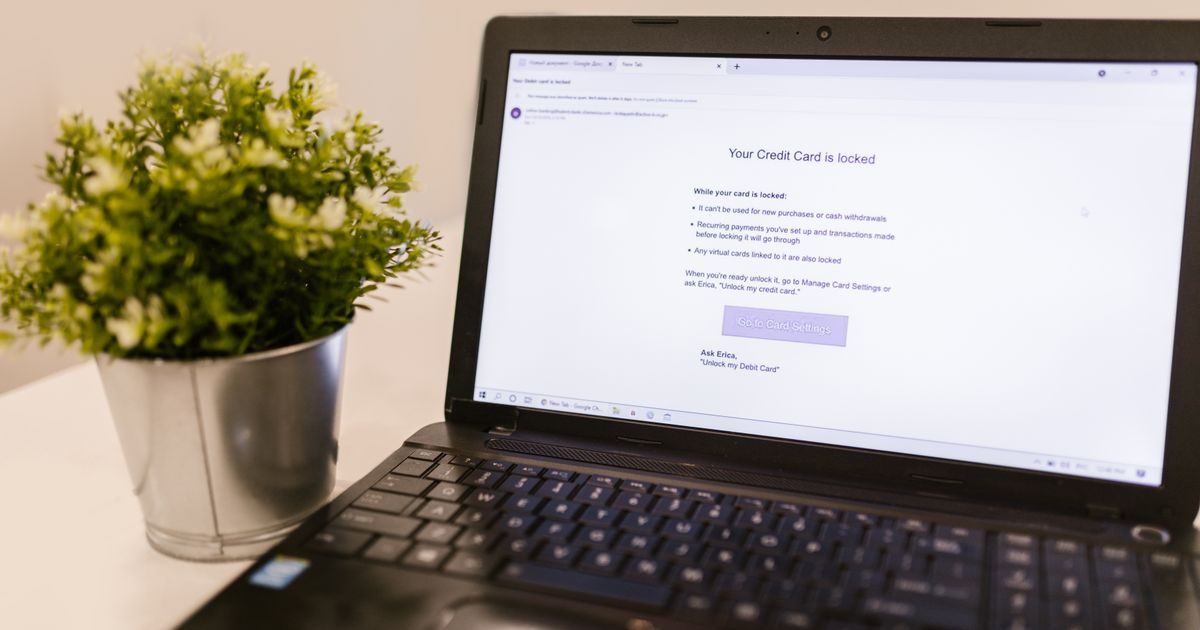
Email deliverability is your messages' ability to reach the recipient's inbox — not their spam folder, not bounced, but in the inbox. It is a critical metric: an email that is never seen is an email that does not exist.
For a business, poor deliverability means ignored quotes, lost order confirmations, and customers who never receive support. This guide explains what determines deliverability and what you can do to keep it high.
Deliverability vs. Delivery Rate: An Important Distinction
The delivery rate measures how many emails reached the recipient's server without bouncing. Deliverability measures how many of those emails specifically reached the inbox (rather than spam).
You can have a 99% delivery rate and still have terrible deliverability if all your messages go straight to the junk folder. What ultimately matters is inbox placement.
Factors That Determine Your Deliverability
Spam filters at Gmail, Outlook, and other providers evaluate dozens of signals before deciding where to place a message. The most important ones are:
1. Domain and IP Reputation
Every sending domain and IP address has a reputation score that email providers update in real time. If someone else on your shared server sends spam, your reputation is affected too. A serious hosting provider monitors these blocklists and acts quickly.
2. DNS Authentication Records
Three DNS records protect the authenticity of your messages:
- SPF (Sender Policy Framework): declares which servers are authorized to send email on behalf of your domain.
- DKIM (DomainKeys Identified Mail): adds a cryptographic signature to the message to verify it was not modified in transit.
- DMARC (Domain-based Message Authentication, Reporting & Conformance): tells receiving servers what to do when SPF or DKIM fail, and sends you reports.
Without SPF and DKIM, many providers flag your messages as suspicious by default. Setting them up correctly is the essential first step.
3. Recipient Behavior
If recipients mark your emails as spam, consistently ignore them, or delete them unread, algorithms learn that your content is unwelcome. Spam complaint rates must be kept below 0.1%.
4. List Quality and Hygiene
Sending to non-existent addresses generates hard bounces that quickly damage your reputation. A clean list — free of old addresses, with unsubscribes processed promptly and no spam traps — is essential.
5. Message Content
Words associated with spam ("Free!", "Act now", "Make money"), image-only messages, or a heavily unbalanced text-to-image ratio trigger filters. Content should be relevant, contain real text, and have a clear purpose.
Consequences of Poor Deliverability for Your Business
The impact is direct:
- Lost sales: a prospect who never receives your quote will not buy from you.
- Failed support: ticket confirmations, password resets, and transactional notifications that never arrive.
- Brand reputation damage: customers who assume you ignored them when your email actually landed in spam.
- Blocklists: if your domain ends up on a major blocklist, remediation can take weeks.
Deliverability is not an abstract technical problem; it is a business problem with measurable consequences.
How to Improve and Maintain High Deliverability
Follow these practices from the start so you never have to recover from a crisis:
- Set up SPF, DKIM, and DMARC from day one. Your hosting provider should offer these pre-configured or guide you step by step.
- Use a dedicated IP or a provider with a strong reputation. On shared hosting, choose providers that actively monitor blocklists.
- Separate transactional email from marketing. Use different domains or subdomains so you do not contaminate your main domain's reputation.
- Clean your list regularly. Remove hard bounces immediately and process unsubscribes within 24 hours.
- Monitor your metrics. Review bounce rates, spam complaints, and DMARC reports at least monthly.
- Warm up new IPs gradually. If you plan to send high volume from a new IP, start with a few dozen emails and increase volume week by week.
A specialist agency like elenlace.com can audit your current setup, fix your DNS records, and establish a continuous monitoring process so your email always lands where it should.
Explore more business email resources in our professional email articles section.
Key Takeaways
- Deliverability measures whether your emails reach the inbox, not just whether they reached the recipient's server.
- SPF, DKIM, and DMARC are the three DNS records that authenticate your email — the minimum requirement for good deliverability.
- Domain and IP reputation, recipient behavior, and list quality are equally important factors.
- Poor deliverability has direct consequences for sales, support, and brand reputation.
- The key is proper initial setup plus ongoing monitoring — not waiting for a crisis to act.
Do not wait until your emails stop reaching the inbox to take action. Talk to the specialists at elenlace.com and ensure your business email deliverability from day one.
FAQ
Are my emails going to spam because I have cheap hosting?
Price is not the determining factor, but provider quality is. Cheap hosting that does not monitor blocklists or help you configure SPF/DKIM can ruin your deliverability. Choose providers that include correctly configured authentication and reputation monitoring, regardless of price.
How long does it take to recover a domain's reputation?
It depends on the severity. A mildly damaged reputation can recover in 2–4 weeks with good practices. If your domain is on major blocklists, the process can take 4–8 weeks or more, requiring active removal requests to each list.
Does deliverability affect transactional email too?
Absolutely. Transactional email (order confirmations, password recovery, account notifications) is often more critical than marketing email. Many businesses use specialized services (SendGrid, Mailgun, Amazon SES) for transactional email and configure them with their own subdomain to isolate reputation.
How do I know if my domain is on a blocklist?
You can check for free using tools like MXToolbox (mxtoolbox.com/blacklists) or Google Postmaster Tools (to see your reputation from Gmail's perspective). Check at least once a month.
Further reading
Other providers and guides worth comparing: