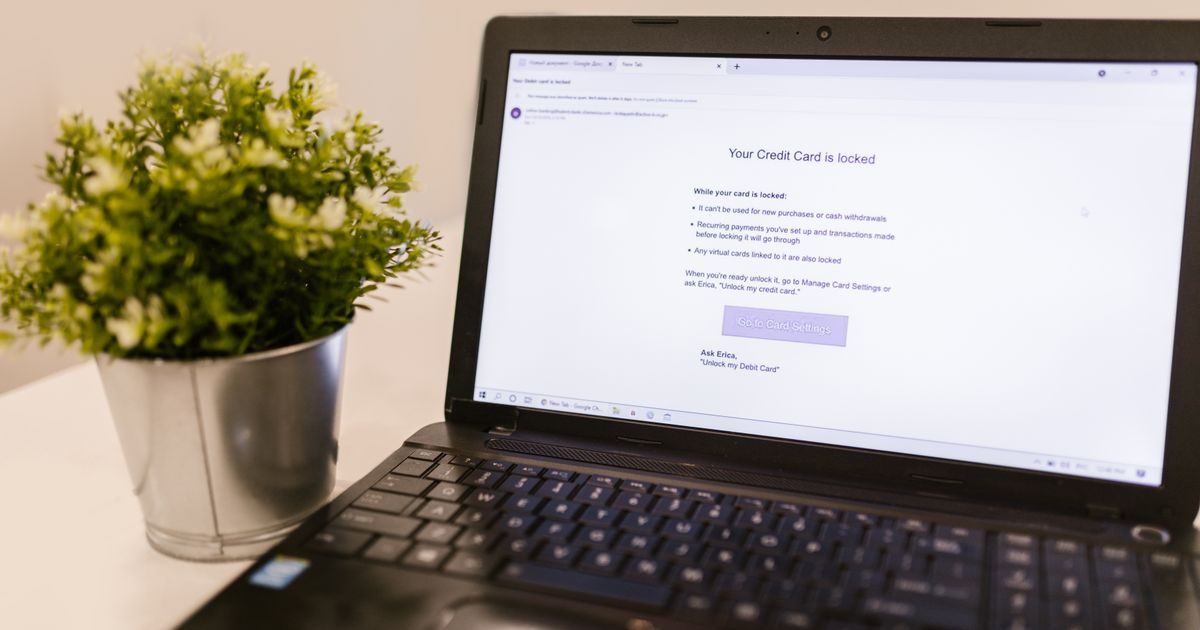
A shared email for teams is a single address — like [email protected] or [email protected] — that multiple users can manage at the same time, each with their own login, without forwarding chains or shared passwords.
If your team is still forwarding customer emails around or handing out one inbox password to everyone, read on — there's a cleaner way.
What a Shared Mailbox Actually Is
A shared mailbox is an email account to which several users are granted access permissions. Each team member signs in with their own credentials; the central mailbox collects all messages sent to that address.
Three defining characteristics:
- One address visible to the customer: the client emails [email protected] and doesn't know who handles it internally.
- Multiple agents, one inbox: any authorized team member can read and reply.
- No shared password: each agent uses their own credentials; an admin controls who has access.
This is fundamentally different from creating a generic account and sharing the password with everyone — a practice that creates conflicts, makes auditing impossible, and is a security liability.
How It Works Technically
The mechanism varies by platform:
Traditional email hosting (cPanel / Zimbra / Plesk)
You create a mailbox and configure forwarding aliases or IMAP delegation rules. Plesk and Zimbra have native shared-mailbox support; cPanel typically emulates it with aliases and shared IMAP folder access.
Microsoft 365
A native Shared Mailbox type exists: it doesn't require its own license and team members simply add it in Outlook. Replies can be sent "on behalf of" the shared address.
Google Workspace
Achieved via account delegation (one user delegates access to others) or Google Groups configured as a collaborative inbox. The Group approach is most flexible for support teams.
To understand the underlying protocols that make shared access possible, browse our guides in the business email section.
When a Shared Mailbox Makes Sense
Not every business needs one, but some scenarios make it almost essential:
| Scenario | Typical address | Team managing it |
|---|---|---|
| Customer support | [email protected] | 2–10 help desk agents |
| Sales inquiries | [email protected] | Sales team |
| Billing & accounts receivable | [email protected] | Accounting |
| Recruitment | [email protected] | Human Resources |
| Press inquiries | [email protected] | Communications / Marketing |
The golden rule: if more than one person needs to read and reply to emails arriving at the same address, a shared mailbox is the right solution.
When Not to Use a Shared Mailbox
A shared mailbox isn't the answer to everything. Avoid it when:
- Email volume is high and your team needs assignment, status tracking, and metrics — a dedicated helpdesk tool (Freshdesk, Zendesk, Missive) will scale far better.
- Only one person manages that address — a regular individual account is simpler.
- You need complex automation (smart routing, SLA enforcement) — email clients aren't built for that.
Best Practices for Teams Using Shared Email
Getting the setup right separates a productive team from a chaos of duplicate replies:
- Decide who responds to what. Even though everyone can see the inbox, establish shifts or explicit assignments.
- Use drafts as "in progress" signals. When someone starts drafting a reply, the team knows that email is being handled.
- Create labels or folders. "Replied", "Pending", "Escalated" give the whole team visibility into inbox status.
- Audit access regularly. When someone leaves the team, revoke their permissions immediately.
- Keep internal discussion off the shared inbox. That mailbox is for customers; use internal channels (Slack, Teams, personal email) for team coordination.
If you want to set up a custom-domain email that supports this collaboration model, the team at elenlace.com can help you choose the right plan and platform for your business.
Key Takeaways
- A shared mailbox is a single address managed by multiple users without sharing passwords.
- It's ideal for support, sales, billing, or any team-facing department that receives external email.
- Implementation varies: delegation in Google Workspace, native Shared Mailbox in Microsoft 365, or aliases/IMAP on traditional hosting.
- For high volumes or complex workflows, pairing a shared mailbox with a helpdesk tool is the most scalable approach.
- Organizational practices — shifts, labels, access audits — matter as much as the technical setup.
Ready to give your team a professional email address with proper permissions and no shared passwords? Reach out at elenlace.com and we'll get it configured from scratch.
FAQ
Is a shared mailbox the same as a distribution list?
No. A distribution list forwards emails to each team member, who then replies from their personal address. With a shared mailbox, everyone replies from the same public address, presenting a unified face to the customer.
Does a shared mailbox need its own license in Microsoft 365?
No — in Microsoft 365, shared mailboxes up to 50 GB don't require their own license. Each user who accesses the mailbox does need their own Microsoft 365 license, however.
Can I use a shared mailbox with standard cPanel email hosting?
Yes, though with some limitations. The simplest approach is to create the account, add it as an additional IMAP account in each team member's email client (Outlook, Thunderbird), and establish a team protocol to avoid duplicate replies.
How many people can access a shared mailbox at the same time?
There's no hard technical limit; it depends on the platform and your email plan. In practice, for more than 5–6 simultaneous agents, a dedicated helpdesk tool gives far better visibility and control.
Compare providers
Other providers and guides worth comparing: