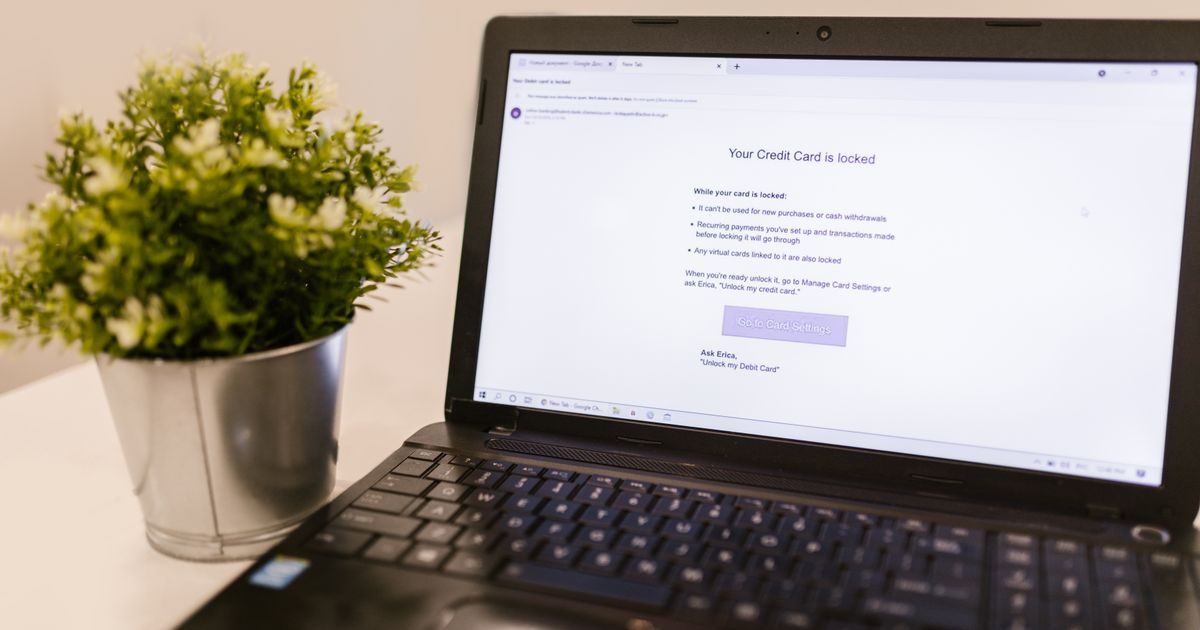
A secure business email is one that encrypts messages in transit, authenticates the sender's domain, and applies controls that prevent identity spoofing. Having a custom domain is not enough — real security comes from the layers that protect your email before, during, and after delivery.
This guide walks through the mechanisms that make corporate email genuinely secure and what to demand from your hosting provider.
Why business email is a frequent attack target
Email is the most widely used business communication channel, which also makes it the number-one attack vector. Security reports consistently show that more than 90% of successful cyberattacks begin with a malicious email.
The most common threats to corporate email include:
- Phishing: emails designed to look like they come from a bank, supplier, or colleague to steal credentials.
- Spoofing: forging the sender's domain to impersonate an employee or executive.
- BEC (Business Email Compromise): impersonating executives to authorize fraudulent transfers.
- Malicious attachments: files that install ransomware or spyware when opened.
- In-transit interception: reading emails that travel without encryption.
The good news: all of these threats have concrete technical countermeasures that a good business email provider already includes — or should.
The three authentication layers: SPF, DKIM, and DMARC
These three DNS records are the foundation of email authenticity. Without them, anyone can send a message that appears to come from your domain.
SPF (Sender Policy Framework)
An SPF record in your DNS lists which servers are authorized to send email on behalf of your domain. If an unauthorized server attempts to send from your domain, the receiving server detects it and can reject or flag the message as suspicious.
DKIM (DomainKeys Identified Mail)
DKIM adds a cryptographic signature to each outgoing email. The receiving server verifies that signature against a public key published in your DNS. If the message was altered in transit, the signature won't match and the email is flagged as suspicious.
DMARC (Domain-based Message Authentication, Reporting and Conformance)
DMARC combines SPF and DKIM results and tells the receiving server what to do if either check fails: allow the email, quarantine it (send to spam), or reject it. It also generates periodic reports so you can monitor who is sending email using your domain.
| Record | What it protects | Impact if missing |
|---|---|---|
| SPF | Authorized sending servers | Domain spoofing |
| DKIM | Message integrity | Tampered messages go undetected |
| DMARC | Authentication policy | No control over fraudulent emails |
At elenlace.com we configure all three records as part of every business email setup — not as an add-on, but as the baseline requirement.
Encryption in transit and at rest
Authentication guarantees that an email comes from who it claims. Encryption guarantees that no one else reads it along the way or while it's stored.
TLS (Transport Layer Security)
TLS encrypts the connection between mail servers while the message is in transit. Reputable providers use STARTTLS (encryption negotiation) or direct TLS connections on ports 465 and 993. Verify your provider supports this — if it allows unencrypted connections, that's a red flag.
End-to-end encryption
TLS protects the message in transit, but intermediate servers can still access the content. If you need complete confidentiality — legal communications, contracts, sensitive data — consider end-to-end encryption tools like S/MIME or PGP, which encrypt the content so only the recipient with the correct key can read it.
Encryption at rest
The best providers also encrypt mailboxes stored on disk. Even if someone gains physical access to the server, messages remain unreadable without the encryption key.
Access controls and user authentication
Security isn't purely technical — it also depends on how people access email.
- Strong passwords: at least 12 characters combining uppercase, lowercase, numbers, and symbols. Never reuse passwords.
- Two-factor authentication (2FA): a second factor (app code or SMS) prevents access even if someone steals a password.
- TLS-only access: disable unencrypted protocols (POP3 without SSL, IMAP without SSL) on the server.
- IP allowlists: for high-security environments, restrict webmail or IMAP access to known IP ranges.
Want to explore all the business email options available to your company? Visit our business email section for detailed guides covering every use case.
Anti-spam and anti-malware filters
A secure business email also filters what comes in. A good provider includes:
- Anti-spam filters that analyze content, sender reputation, and behavior patterns.
- Attachment scanning to detect malicious files before they reach the inbox.
- Anti-phishing protection that warns users when a link points to a suspicious domain.
- Quarantine for suspicious emails for manual review before releasing or deleting them.
Key takeaways
- Secure business email requires SPF, DKIM, and DMARC correctly configured to prevent spoofing and phishing.
- TLS encryption is mandatory in transit; encryption at rest adds another protection layer on the server.
- Two-factor authentication is one of the most effective and easiest security measures to implement.
- Spam filters and attachment scanning protect against threats arriving in the mailbox.
- Choosing a provider that configures these controls by default is the difference between a professional email and a truly secure one.
Protecting your business communications doesn't have to be complicated. Tell us at elenlace.com what you need and we'll set up your secure business email from day one — no technical headaches.
FAQ
Are Gmail or Outlook secure enough for business email?
Both include strong security features. However, when you use Gmail with your own domain through Google Workspace, or Outlook through Microsoft 365, you gain more control over SPF, DKIM, and DMARC configuration and better alignment with business privacy standards. Security also depends on how each plan is configured, not just the provider.
What is email spoofing and how is it prevented?
Spoofing means forging the sender address so an email appears to come from your company or a trusted contact. It's prevented by configuring SPF (limits which servers can send for your domain), DKIM (signs the message), and DMARC (defines the rejection or quarantine policy for emails that fail those checks).
Does TLS encryption fully protect my emails?
TLS encrypts the communication channel between servers, but it doesn't guarantee that intermediate servers can't access the content. For complete confidentiality, you need end-to-end encryption (S/MIME or PGP). For most businesses, TLS combined with strong passwords and 2FA provides sufficient protection for everyday communications.
How often should I review my business email security?
Review your DNS records (SPF, DKIM, DMARC) at least every six months or whenever you change providers. Check your DMARC reports monthly to detect impersonation attempts. Update passwords at least annually, or immediately if you suspect a breach. Enable login alerts for new locations to detect unauthorized access early.
Further reading
Other providers and guides worth comparing: