Business email is the backbone of professional communication — but it's far from perfect. Its main disadvantages include message overload, vulnerability to phishing attacks, and productivity losses from misuse. Understanding these issues is the first step toward managing them effectively.
This article examines the most common disadvantages of business email and, for each one, offers concrete measures any company in Mexico can implement.
1. Information Overload and Lost Productivity
The average employee receives dozens of emails a day — many of them unnecessary CCs, endless threads, or automated notifications that require no action. The result is an inbox that consumes time and mental focus.
Common symptoms
- Emails read but left unanswered for days.
- Overuse of "Reply All" on messages that don't warrant it.
- Critical information buried in long threads.
- Constant notifications that break workflow and concentration.
How to mitigate it
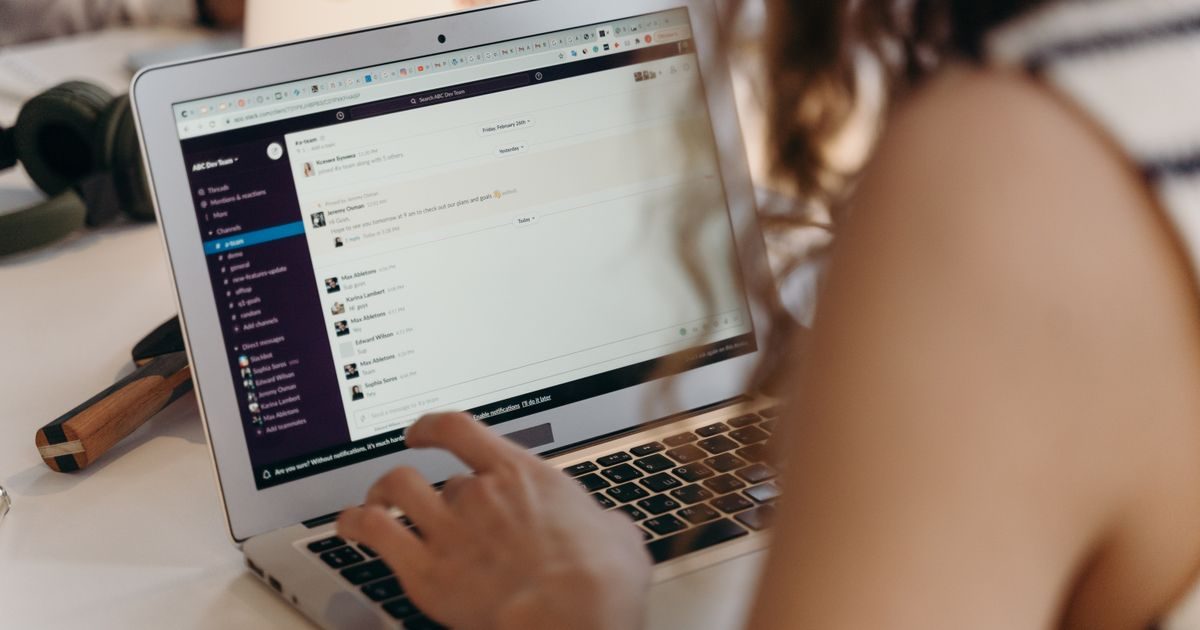
- Establish an internal email policy: define when to use email vs. instant messaging (Teams, Slack).
- Limit CC and BCC to people who genuinely need to be informed.
- Schedule dedicated email-checking windows instead of monitoring the inbox continuously.
- Use rules and automatic filters to sort and prioritize messages.
2. Security Risks: Phishing, Malware, and Impersonation
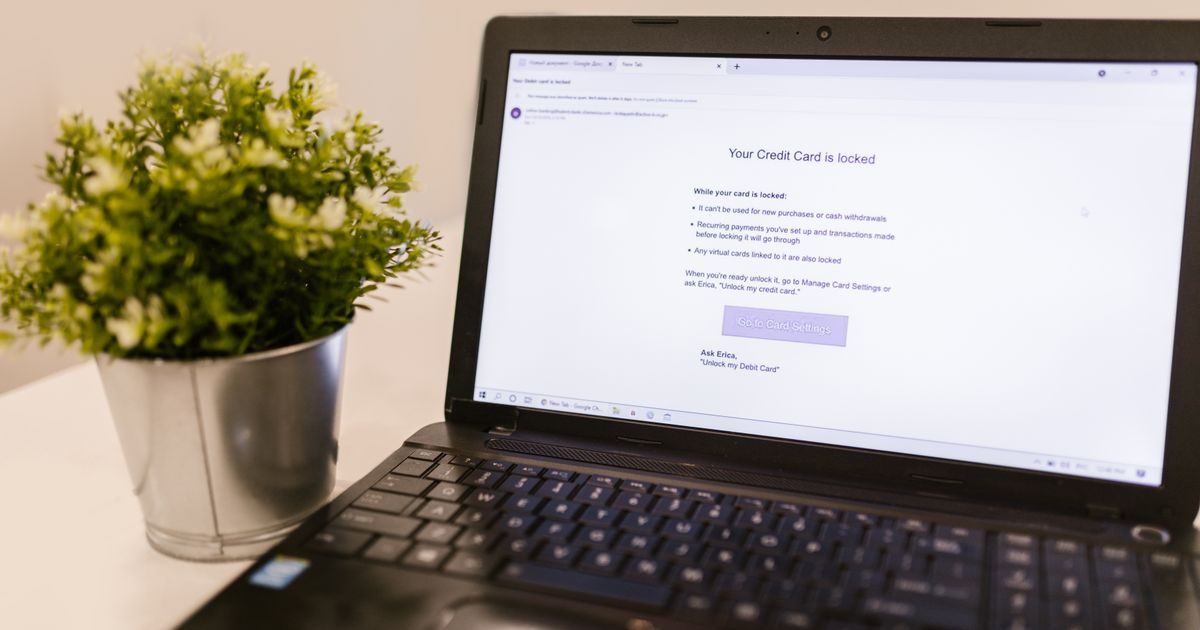
Email is the most widely used attack vector by cybercriminals. Phishing — emails that impersonate legitimate entities to steal credentials or data — affects large corporations and small businesses in Mexico alike.
Most common threats
- Classic phishing: fraudulent emails mimicking banks, suppliers, or platforms.
- Spear phishing: personalized attacks targeting specific employees.
- Malware in attachments: PDF, Word, or ZIP files containing malicious code.
- Business Email Compromise (BEC): executive impersonation to authorize wire transfers.
How to mitigate it
- Configure SPF, DKIM, and DMARC on your domain to prevent impersonation.
- Enable two-factor authentication (2FA) on all accounts.
- Train your team to spot suspicious emails: verify senders, avoid clicking unsolicited links.
- Use an email provider with active, regularly updated anti-phishing filters.
Our business email section includes step-by-step guides on configuring SPF, DKIM, and DMARC to protect your domain.
3. Spam: Constant Noise in the Inbox
Despite modern filters, spam remains a persistent problem. Unwanted messages consume storage, create distractions, and in some cases carry threats that slip through basic filters.
How to mitigate it
- Choose a provider with robust spam filters: blocklists, content analysis, IP reputation checks.
- Don't publish corporate email addresses as plain text on websites — use contact forms instead.
- Periodically review and update filtering rules on your mail server.
- Report spam that reaches the main inbox to improve adaptive filters over time.
4. Lack of Immediacy and Context
Email is not a real-time communication channel. For urgent matters or conversations requiring rapid back-and-forth, it is inefficient: threads become long, context gets lost, and decision-making slows down.
| Need | Is email appropriate? | Recommended alternative |
|---|---|---|
| Formal client communication | Yes | — |
| Urgent team decision | No | Call / video call / chat |
| Sharing large files | Limited | Google Drive / SharePoint |
| Project coordination | Partially | Trello, Asana, Notion |
| Informal internal conversation | No | Slack, Teams, WhatsApp Business |
How to mitigate it
- Define which communications go by email and which go through other channels.
- For ongoing projects, complement email with task management tools.
- Reserve email for formal communications, confirmations, and documentation — not rapid exchanges.
5. Risk of Data Loss and Backup Failures
If email is not properly backed up, a server failure, human error, or compromised account can result in the irreversible loss of critical client communications or evidence of commercial agreements.
How to mitigate it
- Choose a provider that includes automatic periodic mailbox backups.
- Configure email retention policies based on your industry's legal requirements.
- Periodically export and archive critical emails to external storage.
- Use IMAP instead of POP3 so messages remain on the server, not just on a local device.
If your company needs a corporate email service that minimizes these risks from day one, the specialists at elenlace.com can guide you to the right solution for your size and industry.
Key Takeaways
- Message overload hurts productivity; an internal email usage policy keeps it in check.
- Phishing and malware are the most serious threats; SPF, DKIM, DMARC, and 2FA are the basic defense.
- Spam decreases with strong filters and by avoiding exposing addresses in plain text.
- For urgent or informal communication, email is not the right channel — combine it with other tools.
- Proper backups prevent the irreversible loss of conversations and agreements.
Well-managed business email remains irreplaceable. Knowing its limitations and applying the right measures turns its disadvantages into controllable risks. If you need help setting up or improving your company's email, visit elenlace.com.
FAQ
Is business email more secure than free email?
Generally, yes. Business services include authentication controls (SPF, DKIM, DMARC), more advanced anti-phishing filters, and centralized administration options that free accounts simply don't offer. That said, security also depends on proper configuration and your team's habits.
How do I reduce email overload in my company?
Set a clear policy: use email for formal, documented communications, and use instant messaging tools for quick exchanges. Limit "Reply All" and set up automatic filters to sort messages into categories.
What should I do if an employee falls for a phishing attack?
Act fast: change compromised passwords, revoke active sessions, notify your provider, and — if client data is at risk — assess whether a notification is required under Mexico's Federal Personal Data Protection Law. Prior team training significantly reduces the likelihood of this happening.
How often should I back up business email?
Ideally, automatically every day — or at minimum weekly. Many corporate email providers include automatic backups; verify that this feature is active and that you can restore individual messages, not just entire mailboxes.
Compare providers
Other providers and guides worth comparing: